Life Changes for a Moment on the Canals of Xochimilco, Televisa

The report portrays life on the canals of Xochimilco through don Delfino, a local boatman who began working on the trajineras as a child and explains how the boats are traditionally named. He says the trade has supported his family for generations, and the piece reviews the area’s main docks and attractions.
You Can Now Book Trajineras for a Ride in Xochimilco, Cívico

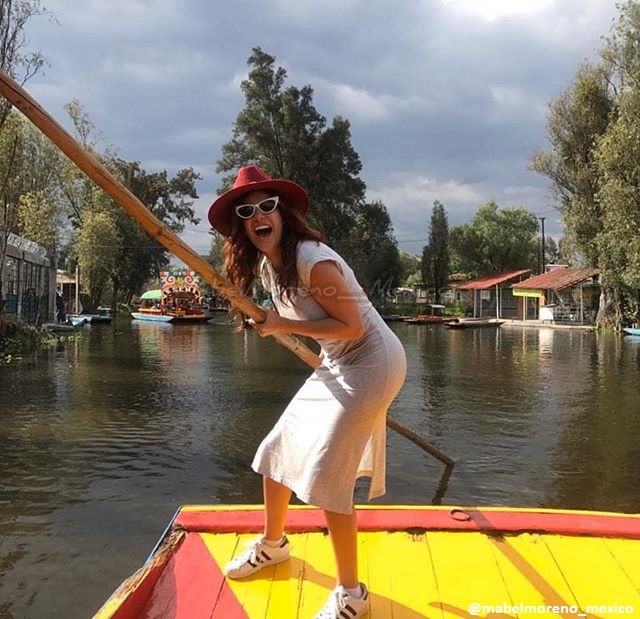
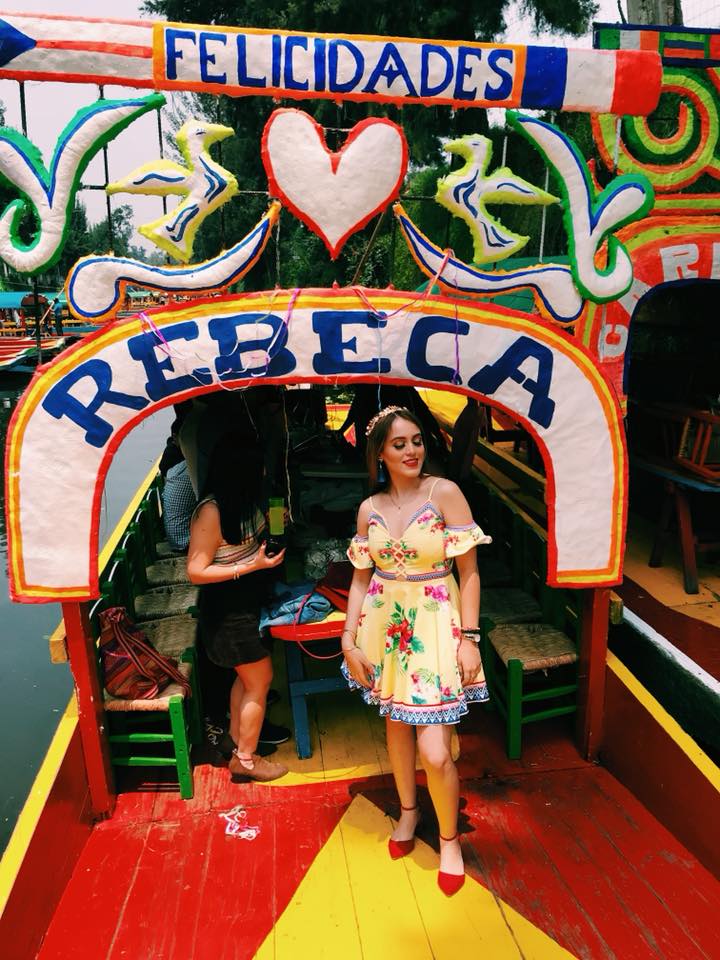
The article reports that the Las Flores Nativitas dock, founded in 1993, now offers online booking for its trajinera rides. It describes its five tours, from the basic canal tour to options with greenhouses, lagoons, the Axolotl Museum, and the Island of the Dolls, as well as extra services such as music, food, guides, and trajinera decoration.

You Can Now Book Xochimilco Trajineras Online, Milenio

The article reports that the Las Flores Nativitas dock, which also organizes shows such as “La leyenda de los volcanes” (The Legend of the Volcanoes) and “La leyenda del Nahual Xochimilco” (The Legend of the Nahual), now lets you reserve trajineras online. Its website offers five tours lasting one to five hours, with stops such as greenhouses, lagoons, or the Island of the Dolls, plus extras such as music or food.

You Can Now Pay for Your Trajinera Rides Online, Chilango

The article reports that the Las Flores Nativitas dock launched a website where five types of trajinera tours can be booked and paid for online, with optional extras such as food, guides, music, or boat customization. According to the article, the initiative aims to make visits easier and curb abuses by unauthorized guides.

Book Your Xochimilco Trajinera Online, El Universal

The article presents a web platform for booking and paying for trajinera tours in Xochimilco, with five tours to choose from. In addition to the ride, you can add food, drinks, music, or a certified guide or historian, and customize the trajinera with a painted name or one made of flowers; the confirmation and directions are sent by email.

Unlicensed Guides Charge Up to $3,000 MXN on Xochimilco Trajineras, Publimetro

The then delegación (now borough) of Xochimilco warned about unauthorized guides who charge tourists far more than the permitted rate for a trajinera ride. Authorities launched a campaign to publicize the authorized price and noted that this practice hurts registered service providers. They recommended going straight to the dock without intermediaries or checking the credentials of authorized guides.

Five Places to Be Scared to Death, El Financiero

The article recommends two horror plays in Xochimilco for the 2017 season. One is “La leyenda del nahual de Xochimilco” (The Legend of the Nahual of Xochimilco), on a floating stage at the Las Flores de Nativitas dock and set in the colonial era; the other is “La Llorona,” then in its 24th year in Cuemanco, which draws on oral tales linked to Cihuacóatl.

La leyenda del nahual Will Return to Xochimilco, Excelsior

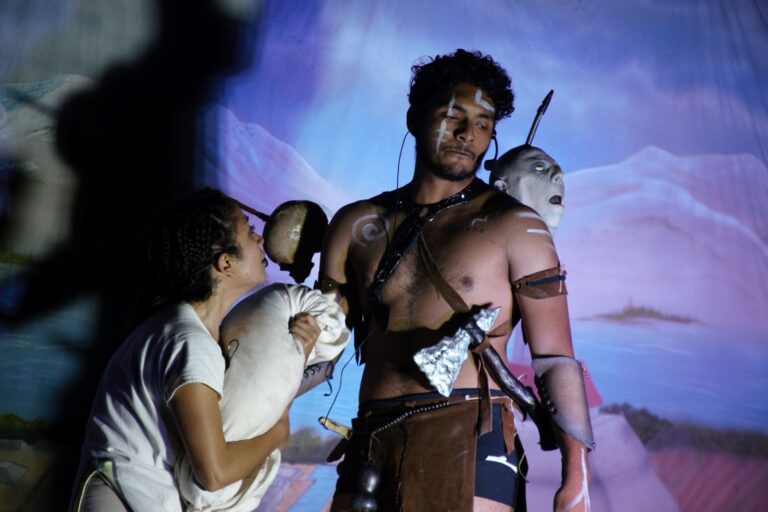
“La leyenda del nahual” (The Legend of the Nahual) reaches its fifth season in Xochimilco with a revamped score that combines suspense and pre-Hispanic sounds, plus a new character who turns into a jaguar. The audience travels by trajinera from Las Flores Nativitas to a floating stage, where it watches a story set in New Spain in 1621 and grounded in historical archives.

La leyenda de los volcanes Will Open the Season in Xochimilco, Crónica

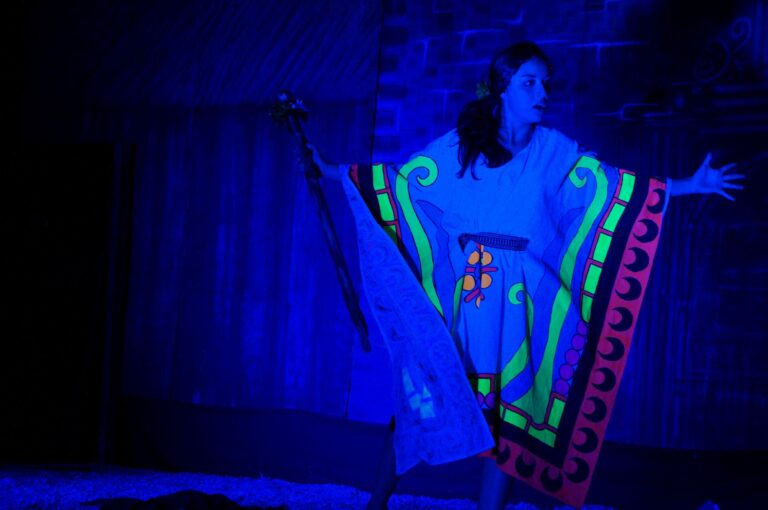
The Las Flores Nativitas dock in Xochimilco opens its season with “La leyenda de los volcanes” (The Legend of the Volcanoes), a theatrical and musical production directed by Jorge Guzerra and designed for the whole family. The play recreates the tragic love story of Iztaccíhuatl and Popocatépetl, whom the gods transform into volcanoes.

El Nahual Comes to Xochimilco, a Legend of Madness, Excelsior

For the fourth year in a row, Xochimilco hosts “La leyenda del Nahual” (The Legend of the Nahual), a play on a floating stage reached by trajinera from Las Flores Nativitas. Its producer, Carlos Ernesto Díaz, explains that it portrays the character in the pre-Hispanic, colonial, and present-day eras. The plot, set in 1621, blends the hunt for the nahual with a love triangle.

Choose currency
×