ABOUT US
 Backed by experience



 Our clients












 History of Xochimilco
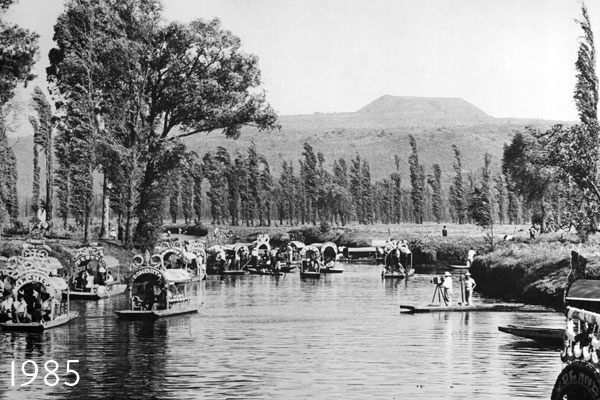
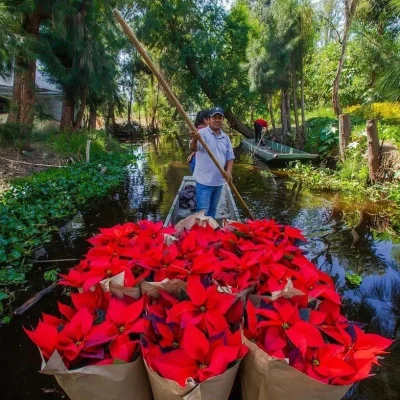
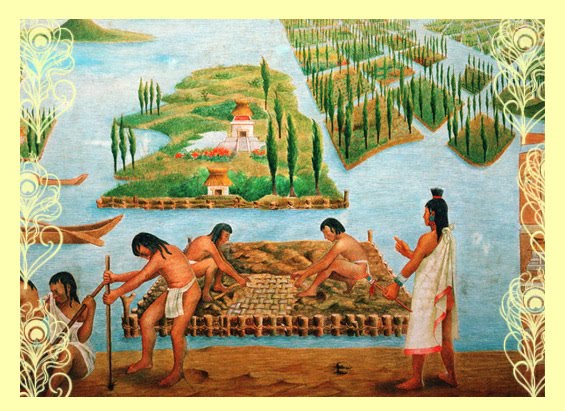 In 1352, one of the seven Nahuatlaca tribes that had set out from the mythical Chicomoztoc founded Xochimilco, a Nahuatl word meaning “in the land sown with flowers.” There they built the chinampas: plots of land laid over the roots of ahuejote trees and used to grow vegetables and flowers; between them they left water canals to carry food in canoes. The chinampa shaped Xochimilco’s orthogonal urban layout, similar to that of Tenochtitlan.
The Mexica forced the Xochimilcas to build the great Iztapalapa Causeway, today Tlalpan, and to provide materials and labor to build their main pyramid. The Spanish preserved Xochimilco’s chinampa system, since it fed the capital of New Spain throughout the viceroyalty. Meanwhile, the lakes of Texcoco and Xochimilco supplied more than a million fish a year.
Here the Franciscans built the fifth of their convents, dedicated to San Bernardino, an excellent example from the late 16th century. Around 1891, one of the local hacienda owners, Íñigo Noriega, established a line of small steamboats that ran from Xochimilco to Iztacalco along the famous Paseo de la Viga, charging 12 centavos per trip. Xochimilco took an active part in the Mexican Revolution and was the meeting place of two of its most iconic figures: Villa and Zapata.
Between 1910 and 1920, Xochimilco discovered its tourism potential and began building its boat docks; the Nativitas forest was reforested and the tree nursery was founded. By 1970 it had become part of the urban sprawl, when Avenida División del Norte was extended and the Anillo Periférico ring road was built.
Source: México Desconocido